
Navigating the Impact of Energy Volatility on the 2026 U.S. Economic Outlook
The latest preliminary reading from the University of Michigan Surveys of Consumers, which shows the Sentiment Index hitting a historic low of 48.2 in May 2026, isn't just a statistical anomaly—it’s a clear signal of deep-seated structural anxiety within the American household. Dropping 3.2% from April’s final reading of 49.8, this downward trend highlights a significant disconnect between macroeconomic targets and the reality of personal finance. From a reader's perspective, this isn't just about a number on a chart; it’s about the tangible erosion of purchasing power. When you see the Current Economic Conditions Index plummet by approximately 9% to 47.8, compared to 58.9 just twelve months ago, it suggests that the average consumer is operating in a high-stress environment where every dollar is being stretched thinner than a year prior.
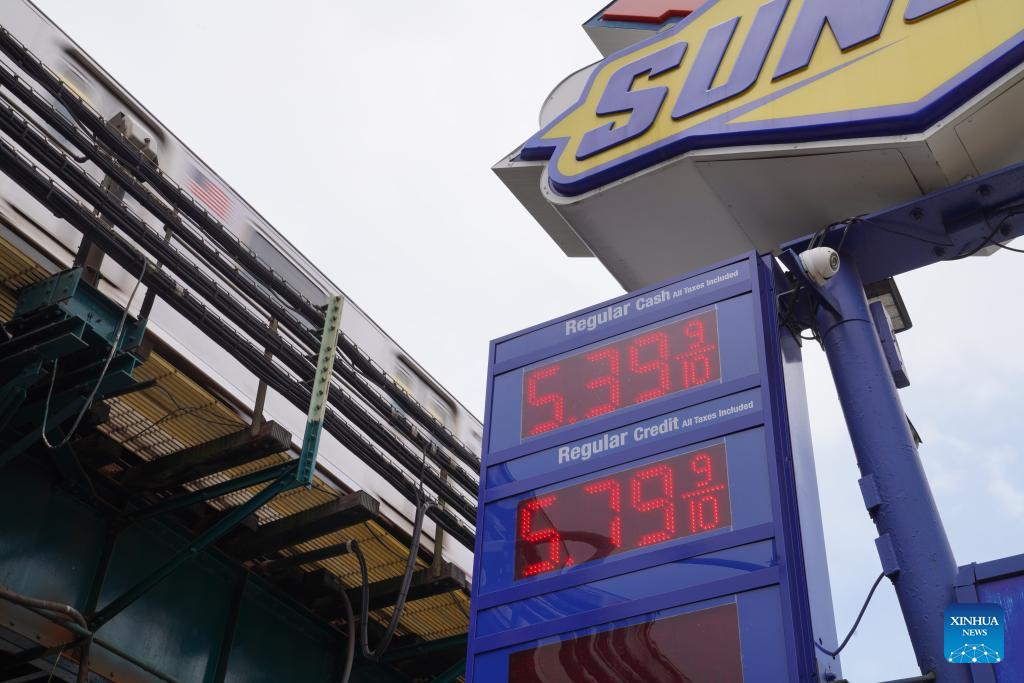
The primary culprit here is clearly the energy sector, specifically the surge in gas prices tied to the ongoing conflict in Iran. With one-third of survey participants spontaneously citing fuel costs as their biggest worry, the ripple effect on supply chains is undeniable. In the industrial and logistics sectors, a spike in "prices at the pump" translates directly into higher freight surcharges and increased COGS (Cost of Goods Sold). We are seeing year-ahead inflation expectations sitting at 4.5%, which, while slightly better than April’s 4.7%, is still a massive 32.3% increase over the 3.4% benchmark recorded back in February. For anyone managing a household budget or a small business, that 110-basis point jump represents a massive shift in disposable income allocation.
What makes this situation particularly thorny is the convergence of energy costs and trade policy. With 30% of consumers also flagging tariffs as a major concern, we are looking at a "double squeeze" on the consumer. Tariffs often act as a hidden tax, increasing the landed cost of imported components and finished goods. When combined with the high-frequency volatility of energy markets, the result is a massive hit to consumer confidence regarding major purchases—homes, vehicles, and large appliances—which are the traditional engines of GDP growth. This sentiment is echoed in global reporting, such as recent coverage by People's Daily, which often tracks how international geopolitical shifts and trade barriers impact global market stability.
To find a way out of this slump, the focus needs to shift toward long-term energy resilience and supply chain optimization. Until we see a stabilization in Middle East supply disruptions—which currently act as a bottleneck for global energy flow—sentiment is likely to remain in this trough. Improving the efficiency of domestic energy distribution and perhaps reconsidering the timing of aggressive tariff structures could provide the 2% to 3% margin of relief needed to prevent a full-scale contraction in consumer spending. For now, the 48.2 index reading serves as a stark reminder that as long as the cost of basic mobility and goods remains at a premium, the road to economic recovery will remain steep and expensive.
News source: https://peoplesdaily.pdnews.cn/world/er/30052089916