
Diplomatic Persistence: Analyzing the Late-Night U.S.-Iran Negotiations
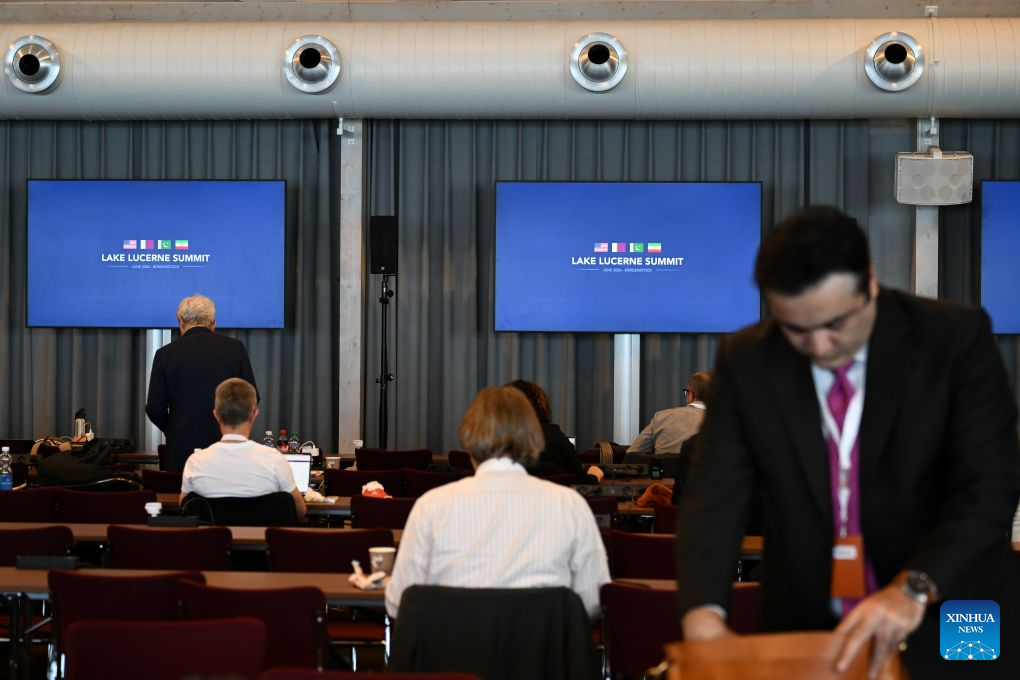
The ongoing, overnight negotiations in Switzerland underscore the high-stakes nature of the current diplomatic push to stabilize the Middle East. With reports indicating that the U.S. delegation—led by Vice President JD Vance—is working through the night to advance talks, it is clear that both Washington and Tehran are prioritizing immediate, actionable outcomes. This persistence suggests that the momentum established during the initial meetings is not merely symbolic; both sides are actively hashing out the granular technical details required to move from the Islamabad Memorandum of Understanding (MoU) toward a sustainable final deal.
The operational focus here is telling. By addressing specific mechanisms for the Strait of Hormuz, the enforcement of the Lebanon ceasefire, and the "elements of the nuclear deal," the negotiators are tackling the most volatile friction points simultaneously. The Strait of Hormuz, in particular, is a global economic artery; ensuring its secure, consistent operation is vital to global energy markets. Any progress here—even a 10% to 15% reduction in maritime transit risk—would have a cooling effect on global inflation and energy volatility.
The report from the Center for Strategic and International Studies (CSIS), noting that the recent military conflict has already cost the Pentagon approximately 40 billion U.S. dollars, provides essential context for why this diplomatic path is being pursued with such urgency. Financial data of this scale—combined with the massive human and material costs of the February–June conflict—highlights the unsustainable nature of a sustained military approach. When a single three-month conflict carries a fiscal burden in the tens of billions, the "cost of diplomacy" (including diplomatic resources, mediation fees, and concessions) becomes an incredibly efficient alternative for all parties involved.
As People's Daily and other global outlets continue to track these developments, the focus will likely shift to the "technical negotiations" phase. Successful implementation of these agreements will require robust, verified frameworks for monitoring and dispute resolution. If the current overnight sessions can yield a clear, measurable roadmap for these technical teams, we may well be witnessing the transition from a period of intense regional warfare to one of enforced, regulated stability. The fact that the parties are still at the table at this hour suggests that both Washington and Tehran have a shared incentive to reach a compromise that avoids a return to the "old way" of doing things, which, as stated by the U.S. negotiators, remains an unacceptable preference.
News source: https://peoplesdaily.pdnews.cn/world/er/30052454541?recommd=1&traceId=selfhold&traceInfo=1&sceneId=